 My Small Nest
Tucked at the southern tip of the Nicoya Peninsula, Montezuma Costa Rica is the kind of beach town that ruins you for ordinary vacations. Think triple-tier waterfalls hidden in the jungle, white-sand islands with sea turtles, fire dancers on the sand, and howler monkeys as your morning alarm clock. It is raw, bohemian, and utterly unforgettable.
In this guide, Emma Carter shares the 12 best things to do in Montezuma: where to stay, how to get there, the unmissable hikes and day trips, where to eat like a local, and the packing and timing tips that separate a good trip from a great one. This one’s for travelers who’d pick a jungle waterfall over a swim-up bar every time — pack your water shoes, and let’s dive in.
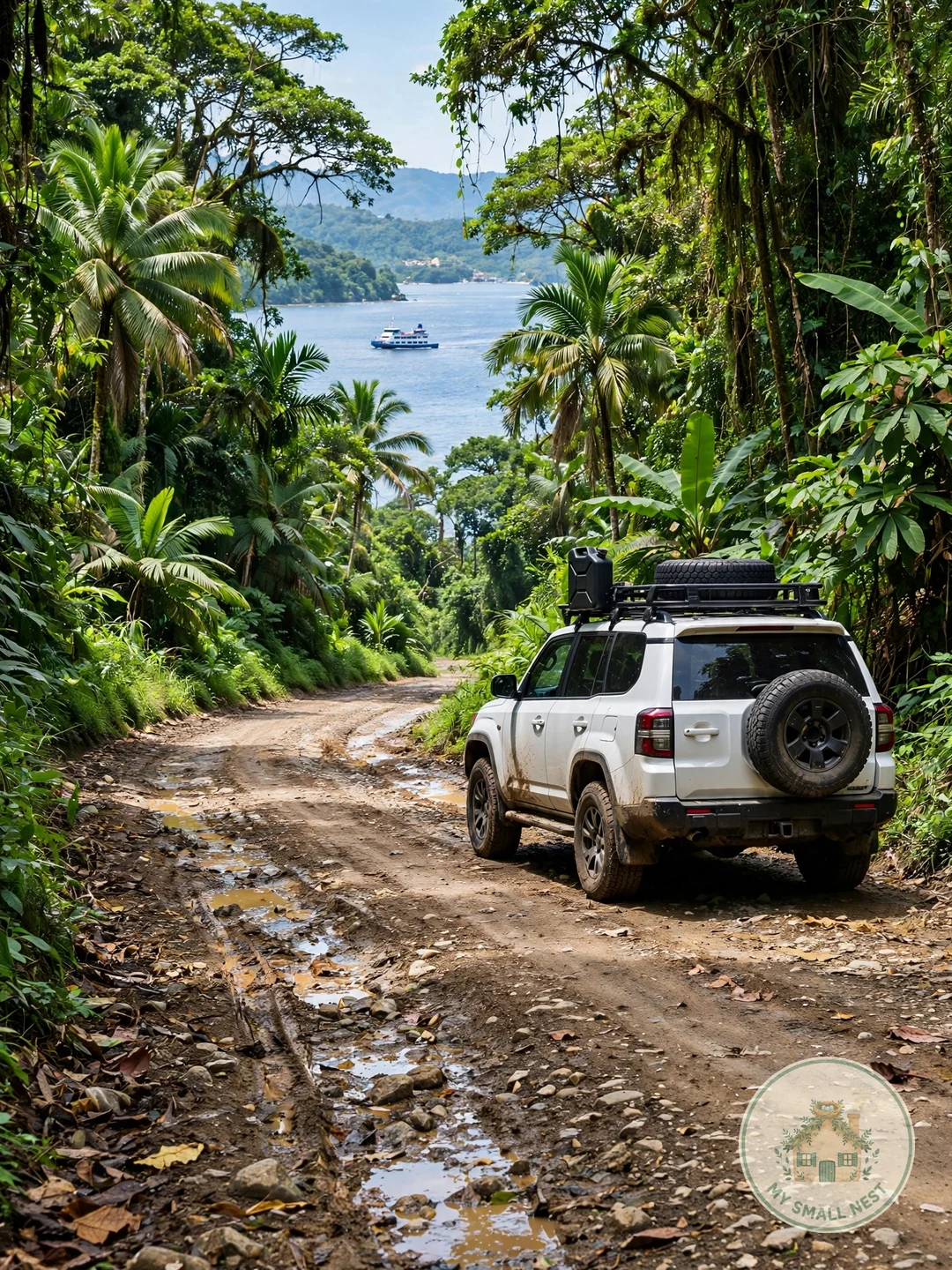
1. Rent a 4×4 and Master the Journey In
Getting to Montezuma is half the adventure. From San Jose, the classic route is a one-hour drive to Puntarenas, then the 90-minute ferry to Paquera, followed by a scenic 45-minute coastal drive into town — four to five hours in total. Driving yourself is by far the best option, because public transport means long waits and multiple transfers that eat half a day. Book your rental car from the airport in advance, and go for a 4×4 or high-clearance SUV: the roads around the Nicoya Peninsula are unpaved and develop serious ruts and river crossings in the rainy season. Renters under 25 should budget an extra young-driver surcharge of about ten to twenty dollars per day.
Make it work: Buy ferry tickets online before you go and arrive at the port an hour early, because holiday sailings sell out. Download offline maps, since cell signal disappears along the coastal road. If you would rather skip driving, shared shuttles from San Jose run about fifty to sixty-five dollars per person.
 Pin it
2. Where to Stay: Jungle Cabins to Beach Bungalows
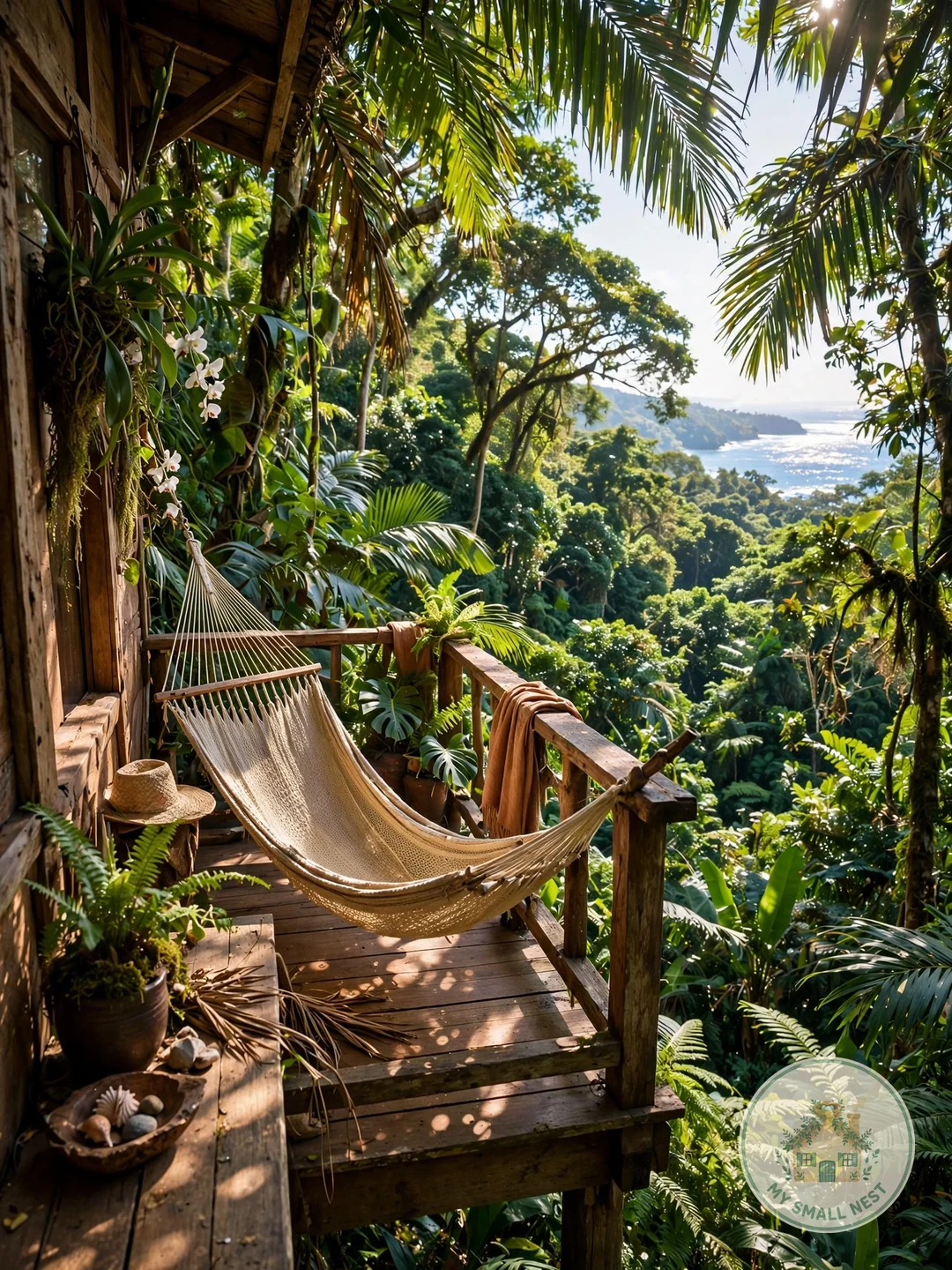
Montezuma lodging is all about location: sleep steps from the sand, high in the jungle canopy, or perched on a hillside with sunset views over the bay. Airbnb vacation rentals are abundant and ideal for groups, with many offering private pools, outdoor showers, and wraparound decks for sixty to one hundred fifty dollars per night. Eco-lodges tucked into the forest deliver the full howler-monkey-and-toucan wake-up call, while budget hostels in the town center put you within walking distance of every restaurant. Whatever you book, choose somewhere with air conditioning or at least strong ceiling fans, because humid nights are the norm year-round.
Make it work: Stay outside the noisy town center if you are a light sleeper, since bars run late on weekends. Book two to three months ahead for the December to April high season. Ask your host about the driveway, because some jungle rentals are only reachable by 4×4 or a steep unpaved track.
 Pin it
3. Hike the Triple-Tier Montezuma Waterfalls
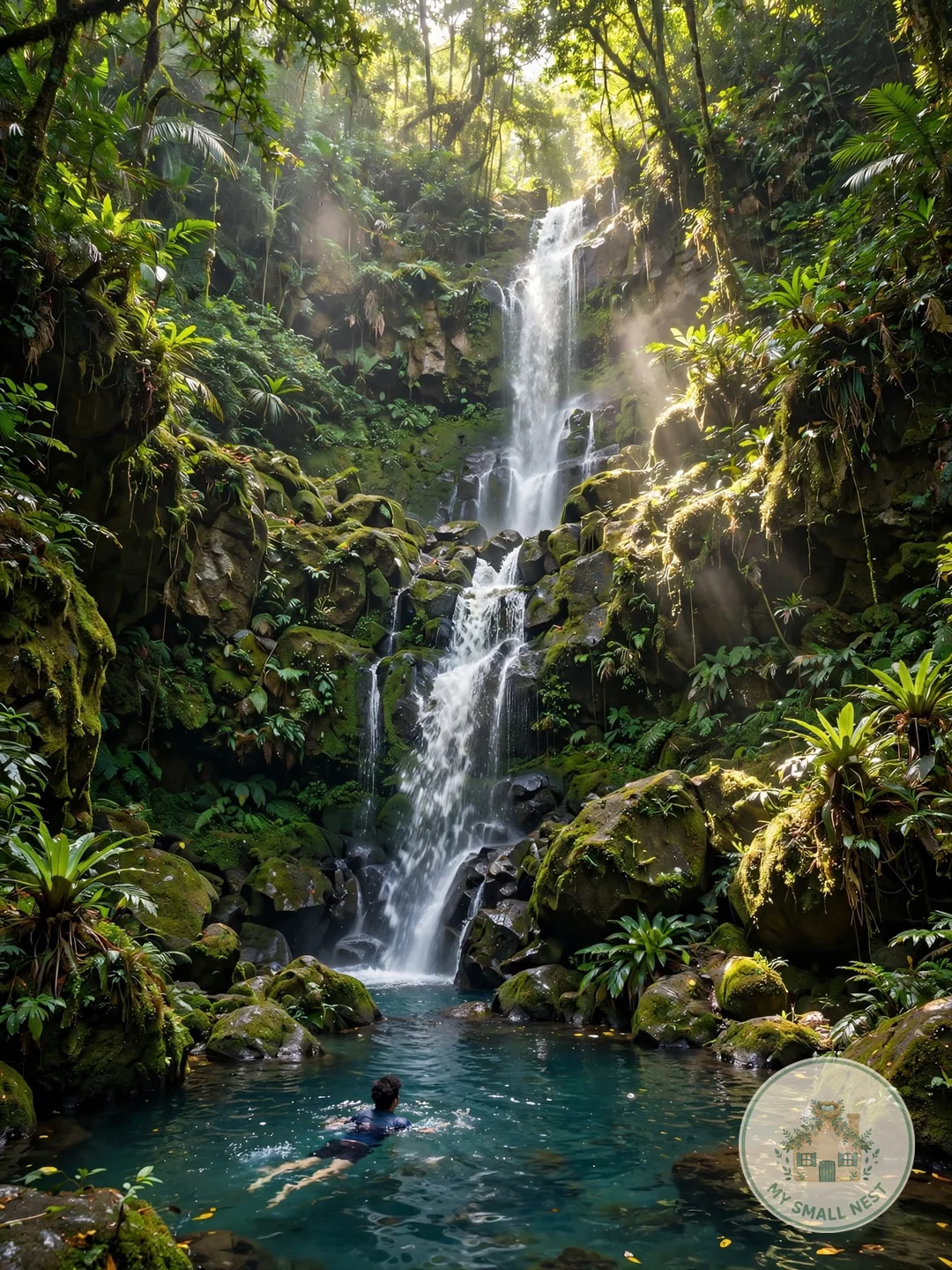
The Montezuma Waterfalls are the town’s signature attraction: a trio of cascades reached by a 30 to 45-minute jungle hike along a river trail. The first, lowest waterfall has a deep swimming pool perfect for cooling off, while the two upper falls require a steeper climb but reward you with wilder scenery and far fewer people. Brave visitors leap from rock ledges into the pools below — check the water depth and current first, and never jump after heavy rain, when the river runs fast and murky. The trail is free, unofficial, and lightly marked, so the first few hundred meters are the trickiest to navigate.
Make it work: Wear grippy water shoes or hiking sandals, because the rocks are slick with algae. Go before 10 a.m. to beat the crowds and the tour groups. Bring a dry bag for your phone and cash for the small private trailhead access fees at the upper falls entrances.
Emma’s tip: I did this hike in Teva-style sandals the first time and regretted it by the second river crossing — the algae-covered rocks are genuinely treacherous. Closed-toe water shoes with real tread changed the whole experience on my second visit, and going at 8 a.m. meant I had the upper pool entirely to myself for twenty minutes.
 Pin it
4. Snorkeling Day Trip to Isla Tortuga
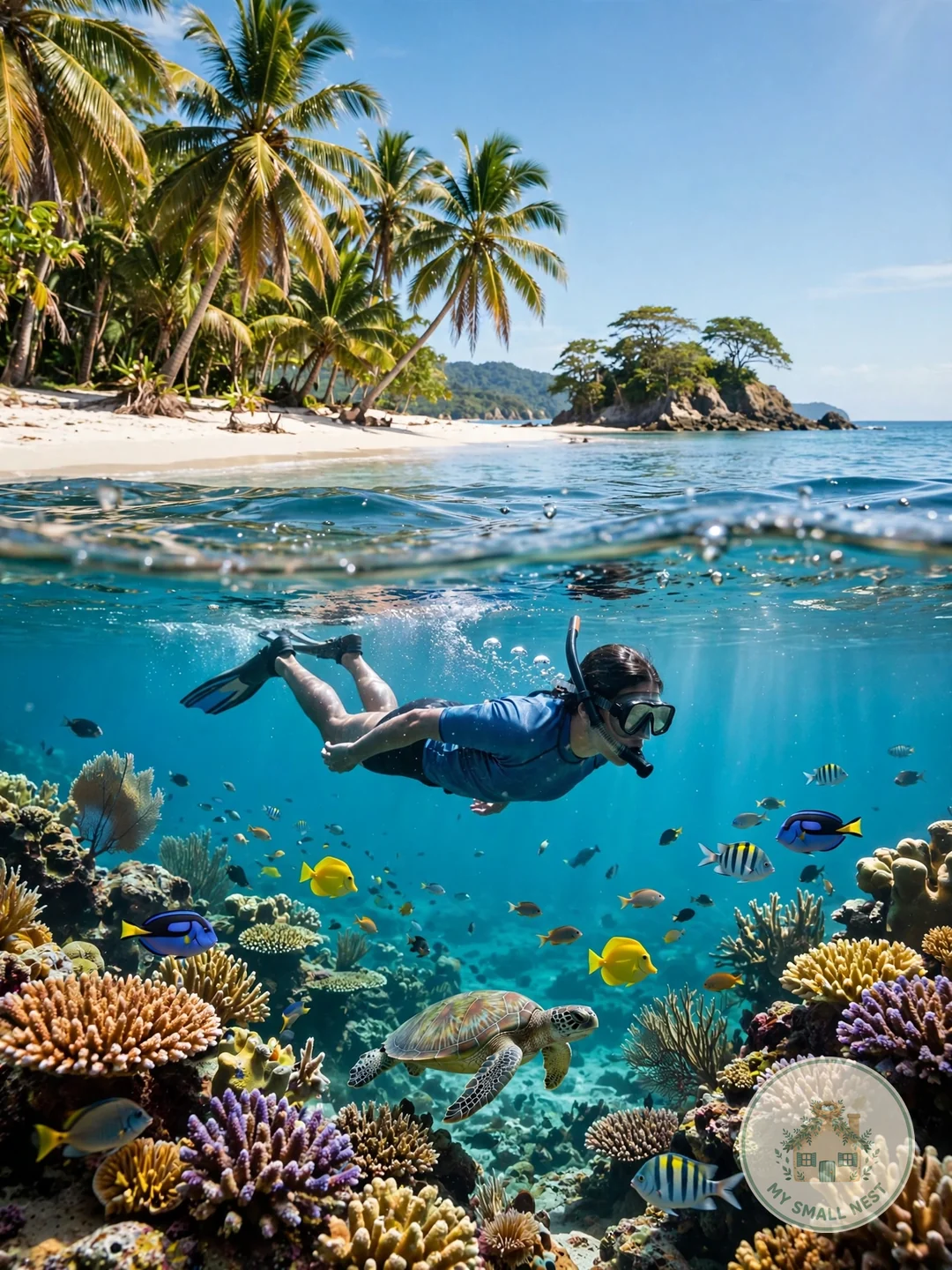
A boat day to Isla Tortuga is the most-booked tour in Montezuma, and for good reason. The 45-minute ride crosses open water to a white-sand island ringed by calm, bath-warm water with visibility often topping 20 meters. Guided snorkeling sessions reveal parrotfish, angelfish, sea turtles, and spotted eagle rays drifting over coral gardens. Most tours include beach time, a fresh ceviche or BBQ lunch on the sand, and sometimes a banana-boat ride for the trip back. Book through established operators such as Zuma Tours and read recent reviews, since boat quality varies between companies.
Make it work: Take the morning departure for the calmest seas and clearest water. Wear reef-safe sunscreen and a rash guard so you need less lotion in the water. Pack motion-sickness tablets if open water bothers you, and bring a waterproof camera for the rays.
 Pin it
5. ATV Tours Through Jungle and Beach
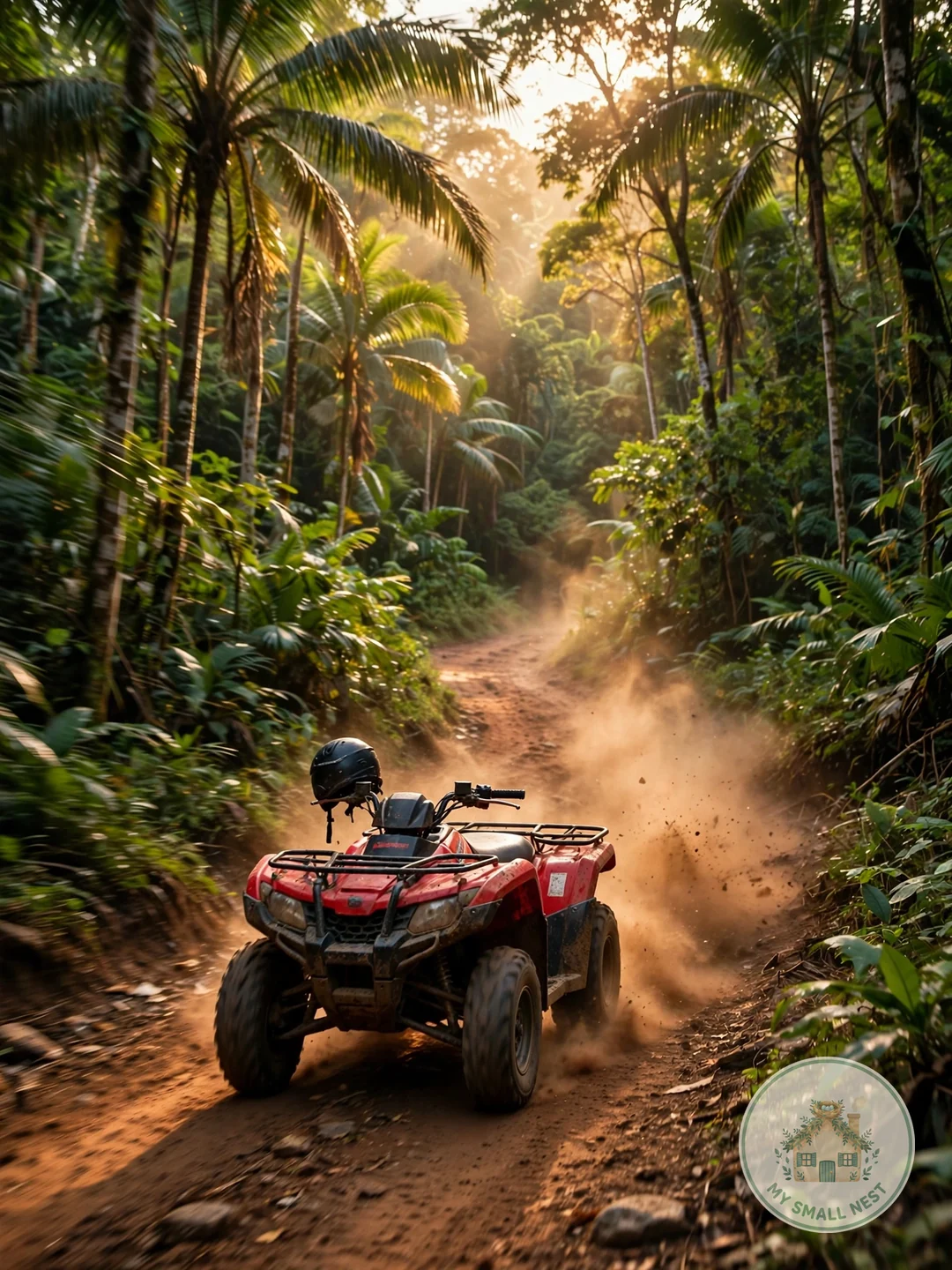
Nothing captures the wild Montezuma spirit like an ATV tour: thundering along jungle trails, crossing shallow rivers, and bursting out onto empty beaches. Most operators run two to three-hour guided excursions that combine the Montezuma Waterfalls viewpoint, remote coastlines, and lookout points above the bay. No experience is needed, and the guides set a pace the whole group can handle — but stay alert on the rutted dirt roads, because they demand real attention. Helmets are included and mandatory. Prices typically run fifty-five to seventy-five dollars per driver, with tandem passenger rates around twenty-five dollars.
Make it work: Wear clothes and shoes you do not mind coating in red dust or mud, and bring a bandana for the trail. Book the late-afternoon tour for golden light and a sunset finish. Skip driving if you have had a drink: crashes on the unpaved roads are the most common tourist injury in town.
 Pin it
6. Hike Cabo Blanco Nature Reserve
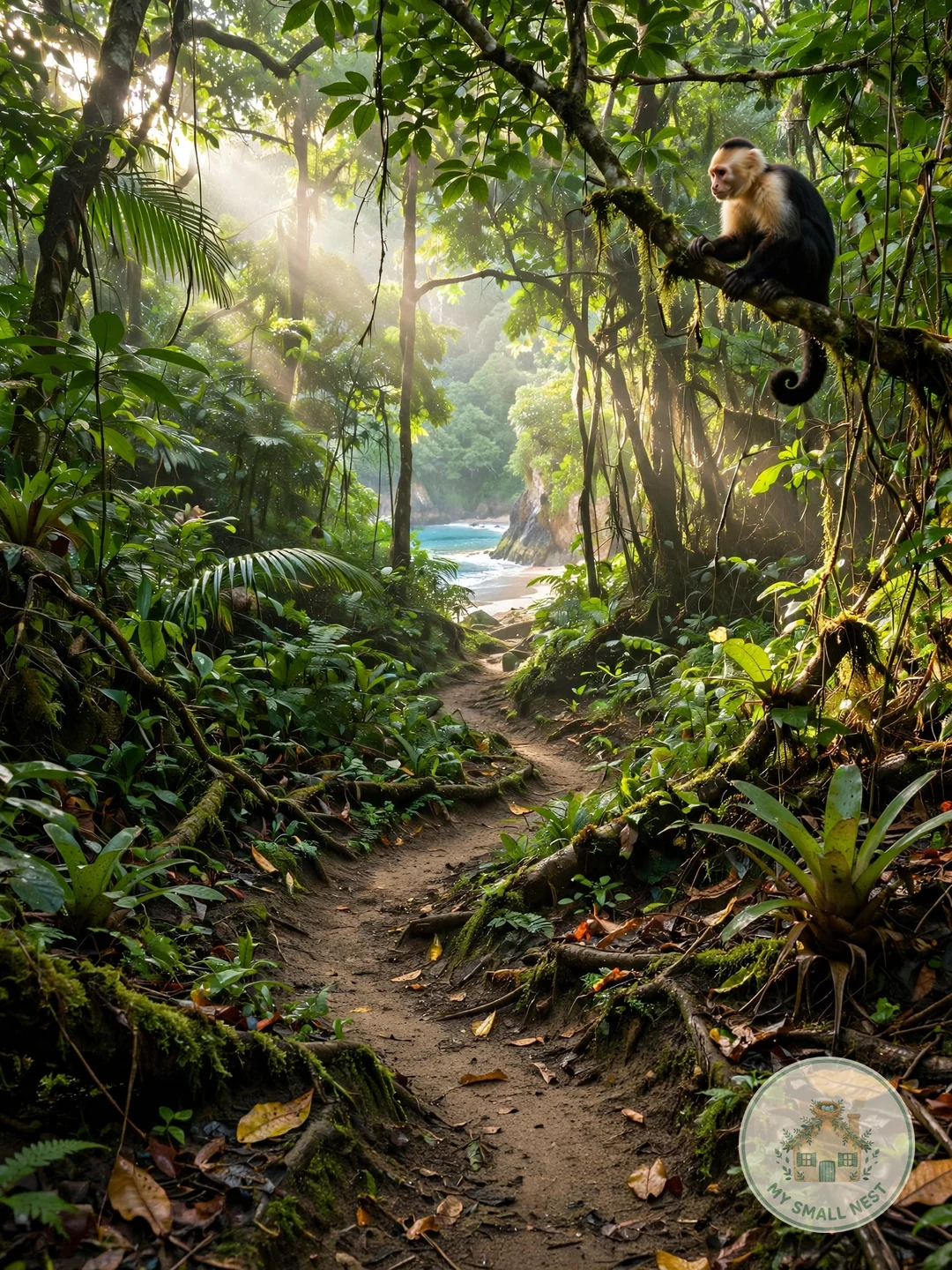
Just 20 minutes south of Montezuma lies Cabo Blanco, Costa Rica’s first national park, protecting pristine rainforest at the very tip of the Nicoya Peninsula. The five-kilometer trail network winds through dense canopy where you will spot white-faced capuchins, coatis, iguanas, and dozens of bird species, then descends to the stunningly secluded Playa Cabo Blanco. The main loop takes about two and a half to three hours round-trip, and the beach at the end is the perfect swim break before the return climb. The park is closed Mondays and Tuesdays, and entry is cash-only — roughly twelve dollars per person — so stop at an ATM in town first.
Make it work: Arrive at the 8 a.m. opening for the best wildlife sightings and cooler hiking. Bring at least a liter of water per person and bug spray, since the forest trail is humid and buggy. The final beach descent is steep, so hiking sandals or sneakers beat flip-flops.
Emma’s tip: I nearly skipped Cabo Blanco for an extra beach day and it would have been the biggest mistake of my trip — a troop of capuchins crossed the trail right in front of me at 8:30 a.m. Go early, go quiet, and keep your snacks sealed; the coatis at the beach have learned exactly what a rustling bag means.
 Pin it
7. Beach-Hop Playa Grande and Hidden Coves
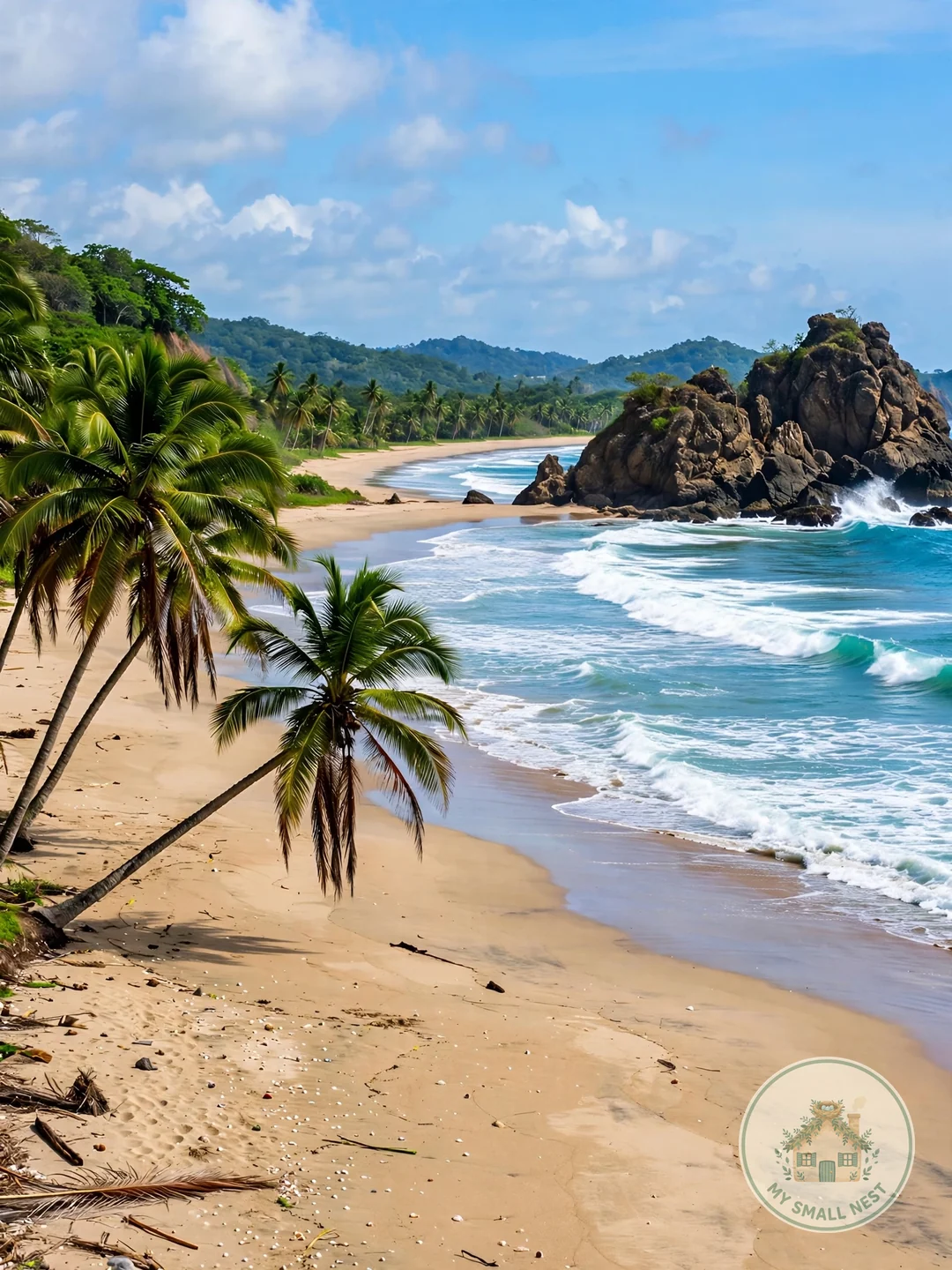
Montezuma’s coastline is a string of wildly different beaches within a short radius, and hopping between them fills a whole lazy day. Playa Montezuma sits right in town with restaurants steps from the sand, perfect for a quick swim and sunset drinks. A 40-minute hike or short drive north brings you to Playa Grande, a wide, nearly empty stretch with rolling waves made for bodyboarding. Tiny Playa las Manchas hides at the end of a coastal trail, offering tide pools and some of the best snorkeling straight from shore. Each beach has its own mood, so try them all before choosing a favorite.
Make it work: Check tide times before hiking the coastal trail to Playa Grande, because parts of the path vanish at high tide. Never leave valuables unattended on the quiet beaches. Bring your own shade, since the remote stretches have no rentals and little cover at midday.
 Pin it
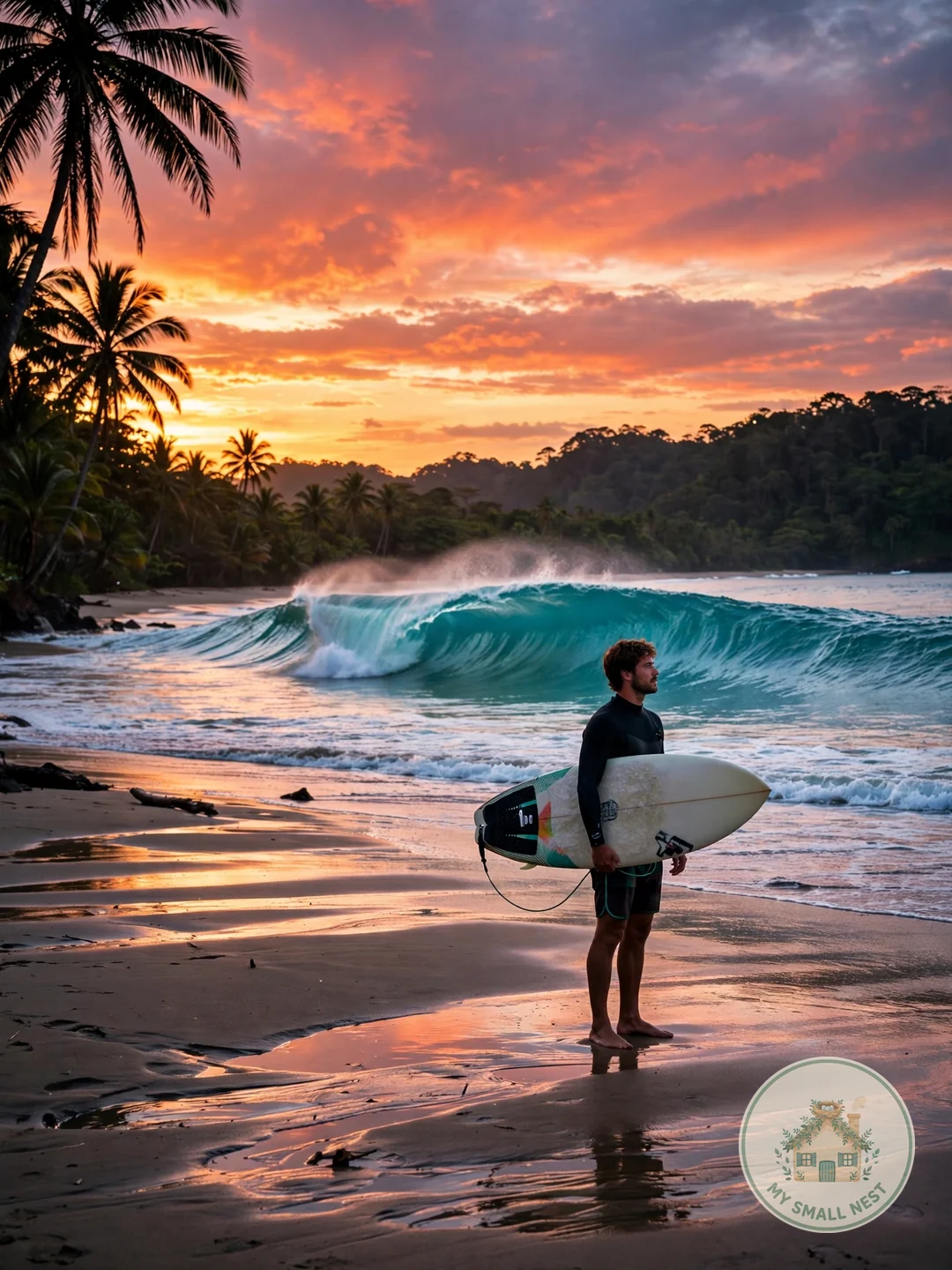
8. Surf Day Trip to Santa Teresa
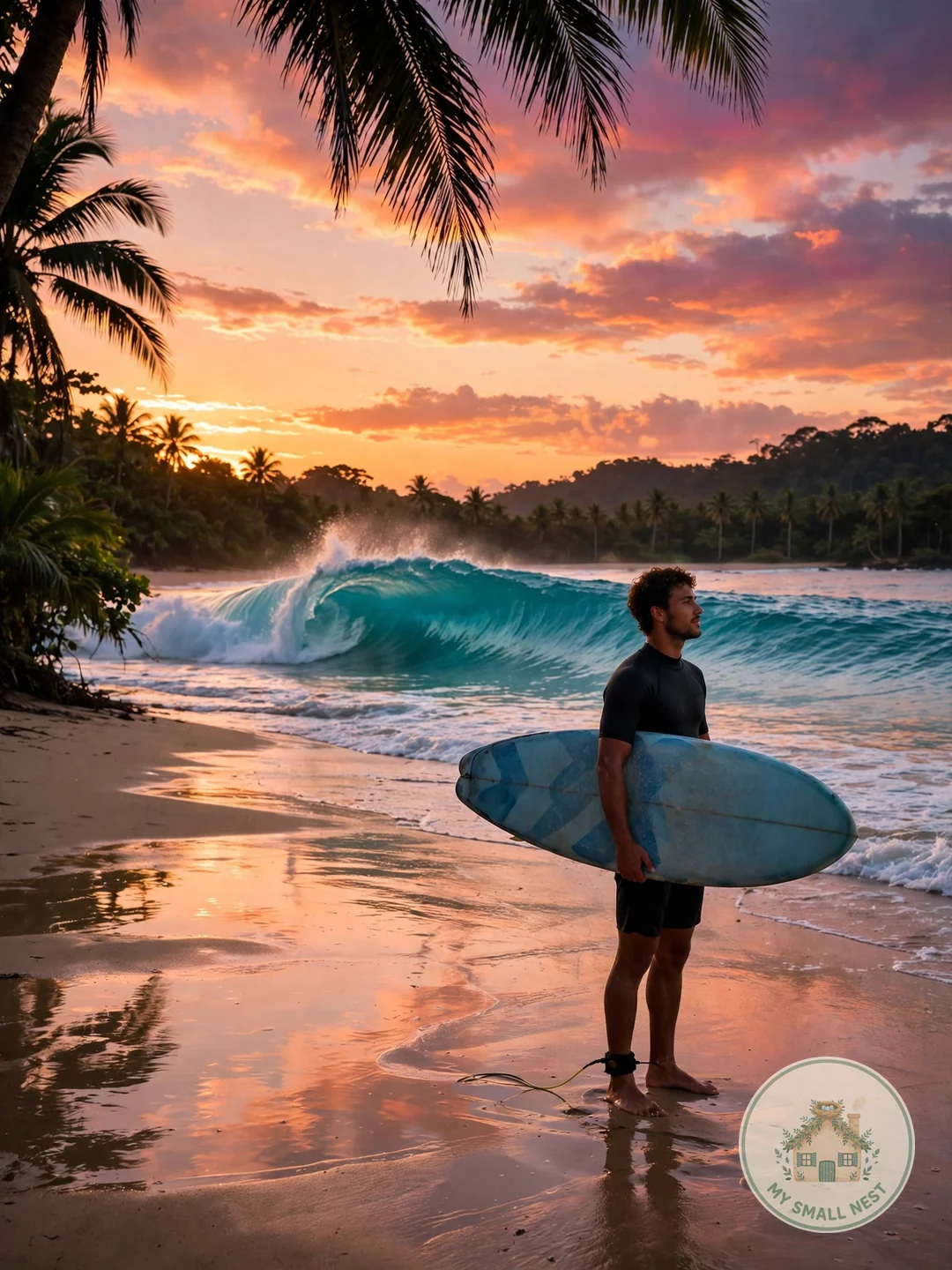
Serious wave riders should budget a day trip to Santa Teresa, the famous surf town 45 minutes up the coast. Its long, sandy beaches break consistently year-round, with mellow beach breaks for beginners and punchy peaks for intermediates. Surf schools line the main road and offer two-hour group lessons for about fifty dollars, board included. Even if you do not surf, Santa Teresa’s stylish cafes, beach clubs, and sunset sessions make the trip worthwhile. The dirt road between the towns is bumpy but manageable in a 4×4, and shuttles run daily in high season.
Make it work: Book morning lessons for smaller crowds and glassier conditions. Beginners should stick to the sandy breaks south of town and avoid the reef sections. Pack cash for the beachfront restaurants, and plan to stay for sunset before driving back.
 Pin it
9. Where to Eat: Sodas, Seafood and Sweet Stops
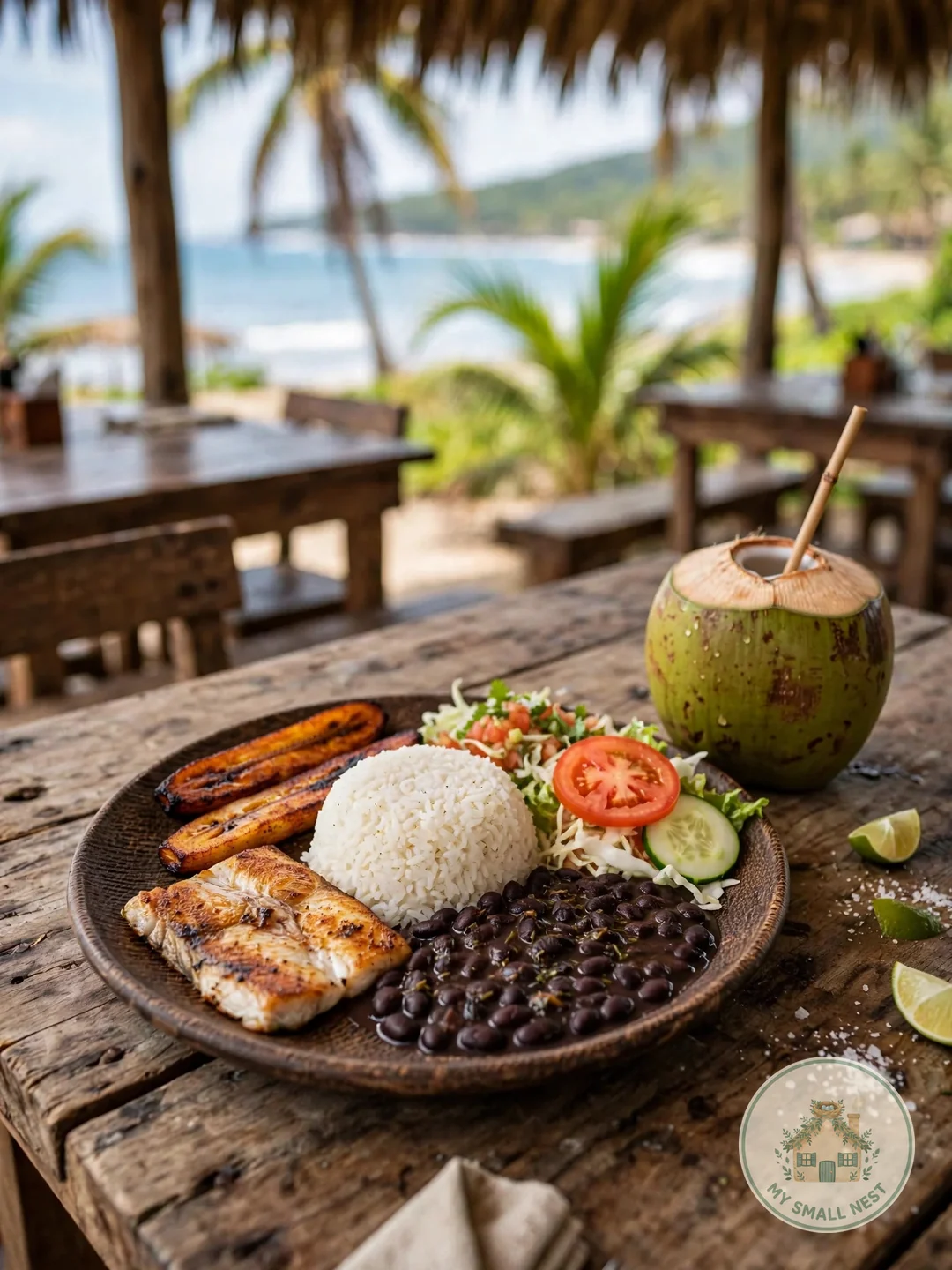
Montezuma’s food scene punches well above its size. Start with a soda — the beloved family-run Costa Rican eatery — and order a casado: rice, black beans, sweet plantains, salad, and your choice of meat for around six to nine dollars. Soda Montesol is a local favorite. For a beachfront splurge, Cocolores serves some of the freshest ceviche and grilled fish on the peninsula, best enjoyed with your toes in the sand. Vegetarians are spoiled too, with smoothie bowls, gallo pinto, and tropical fruit everywhere. Save room for dessert at Puggo’s, where the chocolate cake has near-legendary status among travelers.
Make it work: Carry small bills in colones for the sodas, since many charge a fee for card payments. Eat your biggest meal at lunch when many restaurants run cheaper specials. Try a pipa fria — a fresh chilled coconut — from a beach vendor for the ultimate tropical refreshment.
Emma’s tip: My best meal in Montezuma cost $7 at a soda with plastic chairs and a view of a gecko — a casado with the crispiest plantains I’ve ever had. Eat where the Tico families eat, not where the tour buses stop, and always say yes when they offer the house-made hot sauce. It’s a trap and a gift at the same time.
 Pin it
10. Sunsets, Fire Dancers and the Night Scene
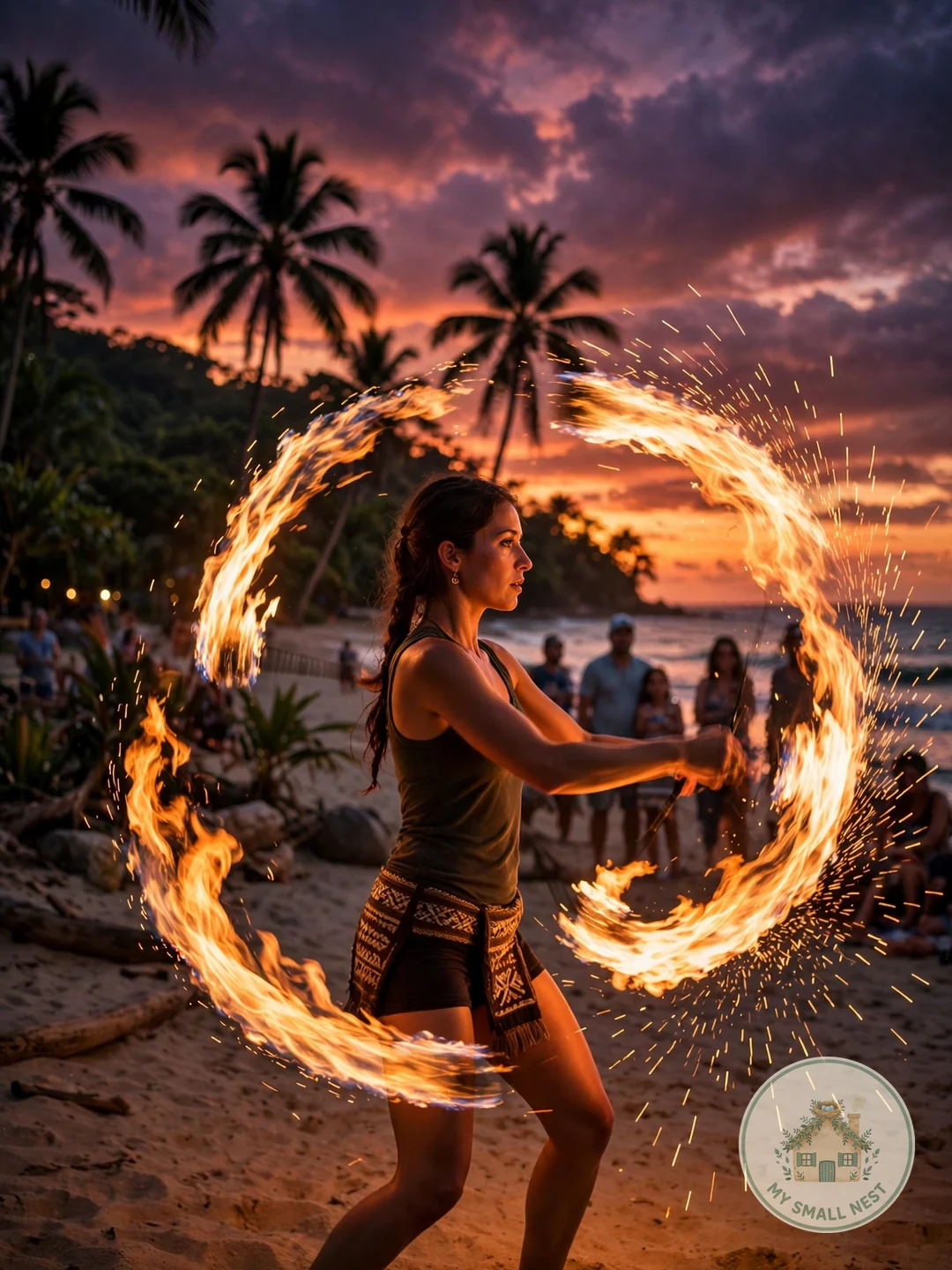
When the sun drops over the Pacific, Montezuma transforms from sleepy beach town to one of the liveliest little scenes on the Nicoya Peninsula. Grab a cold Imperial at a beach bar around 5 p.m. for golden-hour views, then wander into town where restaurants host fire-dancing shows, live reggae, and open-mic nights on weekends. The crowd is a fun mix of surfers, backpackers, expats, and locals, and the dress code is firmly flip-flops. Nothing here is fancy, and that is exactly the charm of a Montezuma night out.
Make it work: Bring a flashlight or use your phone light for the walk home, because side streets are dark. Pace yourself: the tropical heat plus cocktails hits harder than you expect. If you want quiet, avoid hotels directly above the main strip on Friday and Saturday nights.
 Pin it
11. The Perfect Montezuma Packing Checklist
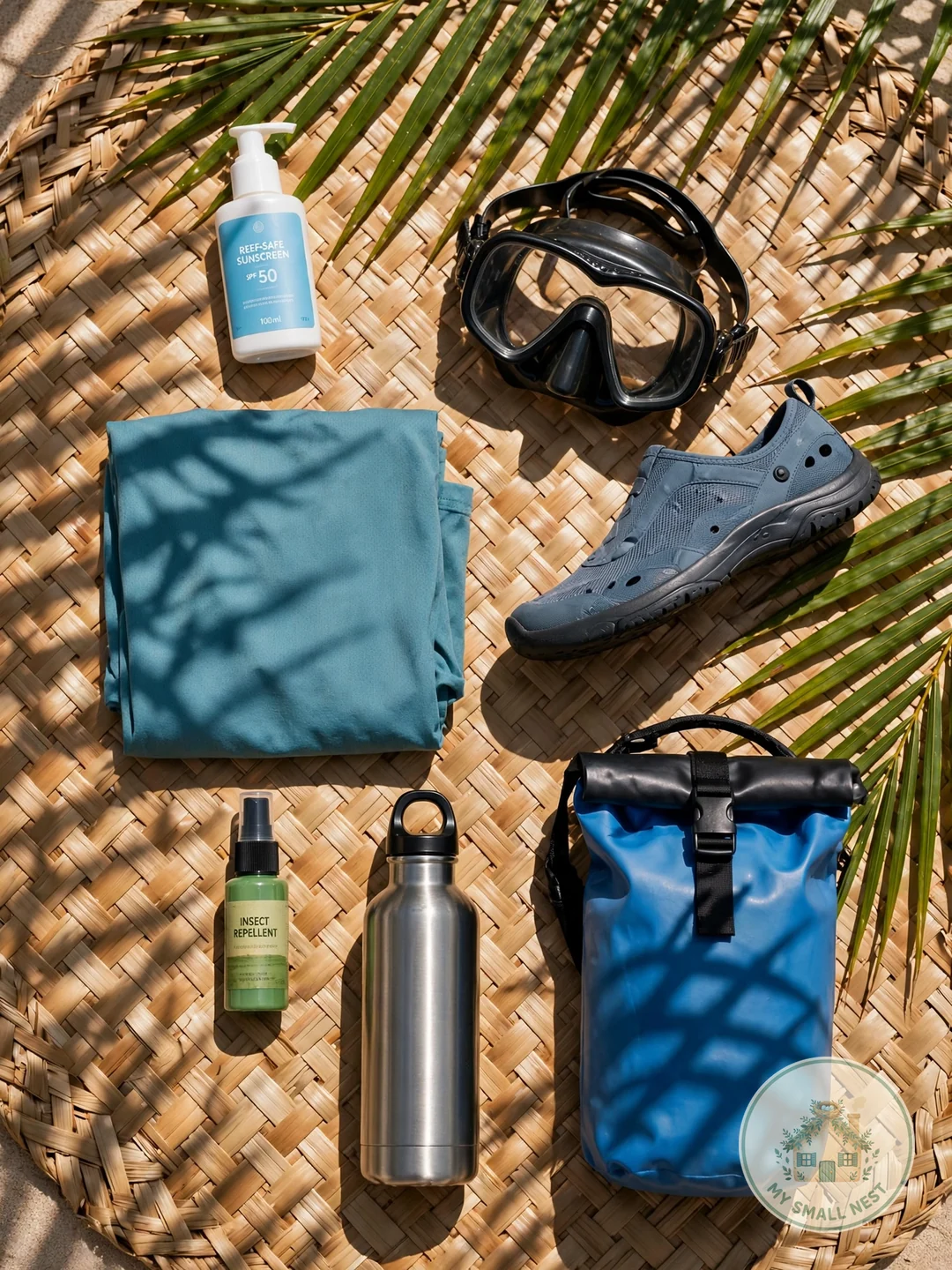
Packing smart makes or breaks a Montezuma trip, because you cannot buy forgotten essentials easily in town. Reef-safe sunscreen is non-negotiable: the equatorial sun burns fast, especially on the water, and regular sunscreen damages the coral you came to see. Lightweight, quick-dry clothing beats cotton in the humidity, and a long-sleeve rash guard protects against sun and surf rash. Sturdy water shoes are essential for the waterfall hike and rocky beaches, while bug spray with DEET keeps the jungle mosquitoes at bay after dark.
Make it work: Add a dry bag, a refillable water bottle, and a basic first-aid kit with bandages and antiseptic. Pack light on shoes: flip-flops, water shoes, and one pair of sneakers cover everything. Bring more cash than you think you need, since ATMs are scarce and charge fees.
 Pin it
12. When to Visit Montezuma
Montezuma has two distinct seasons, and each has its charm. The dry season from December to April brings near-guaranteed sunshine, calm seas, and the best snorkeling visibility, but also the highest prices and the biggest crowds. The green season from May to November transforms the jungle into a lush, roaring paradise, with waterfalls at full power and hotel rates dropping twenty to forty percent. Afternoon downpours are typical from September to October, so plan hikes and tours for the morning. Christmas, New Year, and Easter week book out months in advance.
Make it work: For the sweet spot of good weather and fewer crowds, target late November or early December. If you visit in green season, rent a 4×4 and build a buffer day into your plans for storm delays. Whatever month you choose, pack for rain, because tropical showers can surprise you any day of the year.
Emma’s tip: I visited in late November and it was the perfect call — the jungle was still electric green from the rainy season, the waterfalls were thundering, and I paid shoulder-season prices with half the crowds. If your dates are flexible at all, that two-week window is Montezuma’s best-kept secret.
 Pin it
Common Mistakes to Avoid
Visiting the waterfalls in flip-flops
The waterfall rocks are slick with algae and the river crossings are uneven — flip-flops are a sprained ankle waiting to happen. Wear grippy water shoes or hiking sandals with real tread, and you’ll actually enjoy the hike instead of surviving it.
Renting a small sedan in the green season
From May to November, the unpaved roads develop deep ruts and genuine river crossings that a low sedan simply can’t handle. Book a 4×4 or high-clearance SUV — the rental upgrade costs far less than a tow from a muddy jungle road.
Running out of cash
Montezuma’s ATMs are few, charge hefty fees, and occasionally run dry on weekends. Trailhead access fees, sodas, and beach vendors are cash-only, so bring more colones than you think you need and keep small bills handy.
Ignoring rip currents
Playa Montezuma looks inviting but has strong currents and rocky sections that catch swimmers off guard every year. Ask locals about conditions before you swim, never swim alone at remote beaches, and respect any red-flag warnings — the calm-looking coves are the ones to choose.
Frequently Asked Questions
Is Montezuma Costa Rica safe for tourists?
Montezuma is generally safe, especially by day. Petty theft does happen, so lock your rental car, use your hotel safe, and avoid flashing valuables. The real risks are natural: rip currents at some beaches and slippery waterfall rocks. Drink responsibly, keep an eye on your belongings at night, and you will be fine.
How many days do you need in Montezuma?
Three to four full days is the sweet spot. That covers the Montezuma Waterfalls, Isla Tortuga, Cabo Blanco, beach-hopping, and a Santa Teresa surf day without rushing. Add a day if you want to simply unwind in a hammock. One-night visits feel rushed given the journey it takes to get there.
How do you get to Montezuma from San Jose?
Drive to Puntarenas in about one hour, take the 90-minute ferry to Paquera, then drive 45 minutes to Montezuma — four to five hours in total. Shared shuttles run daily for fifty to sixty-five dollars per person. Sansa also flies into nearby Tambor, which is a 30-minute taxi ride from town.
Can you swim at Montezuma beaches?
Yes, but choose your beach wisely. Playa las Manchas and the calmer coves are great for swimming, while Playa Montezuma has strong currents and rocky sections that demand caution. Always ask locals about conditions, never swim alone at remote beaches, and heed any red-flag warnings.
Is Montezuma worth visiting compared to other Costa Rica beach towns?
If you want raw, bohemian beach-jungle adventure, absolutely. Montezuma is less polished than Tamarindo and cheaper than Santa Teresa, with waterfalls, wildlife, and nightlife in one walkable package. It is not the pick for luxury-seekers or anyone who hates bumpy dirt roads.
Montezuma is not the polished, manicured side of Costa Rica, and that is exactly why travelers fall for it. Come for the waterfalls, stay for the sunsets, and leave with sand still in your shoes. If this Montezuma Costa Rica guide helped you plan your trip, save it for later and share it with the travel buddy who owes you an adventure. Pura vida, and see you on the beach.
What readers are saying
No comments yet — yours could be the first.